


Lithuania voted in favour of the UN Security Council resolution condemning genocide in Srebrenica vetoed by Russia
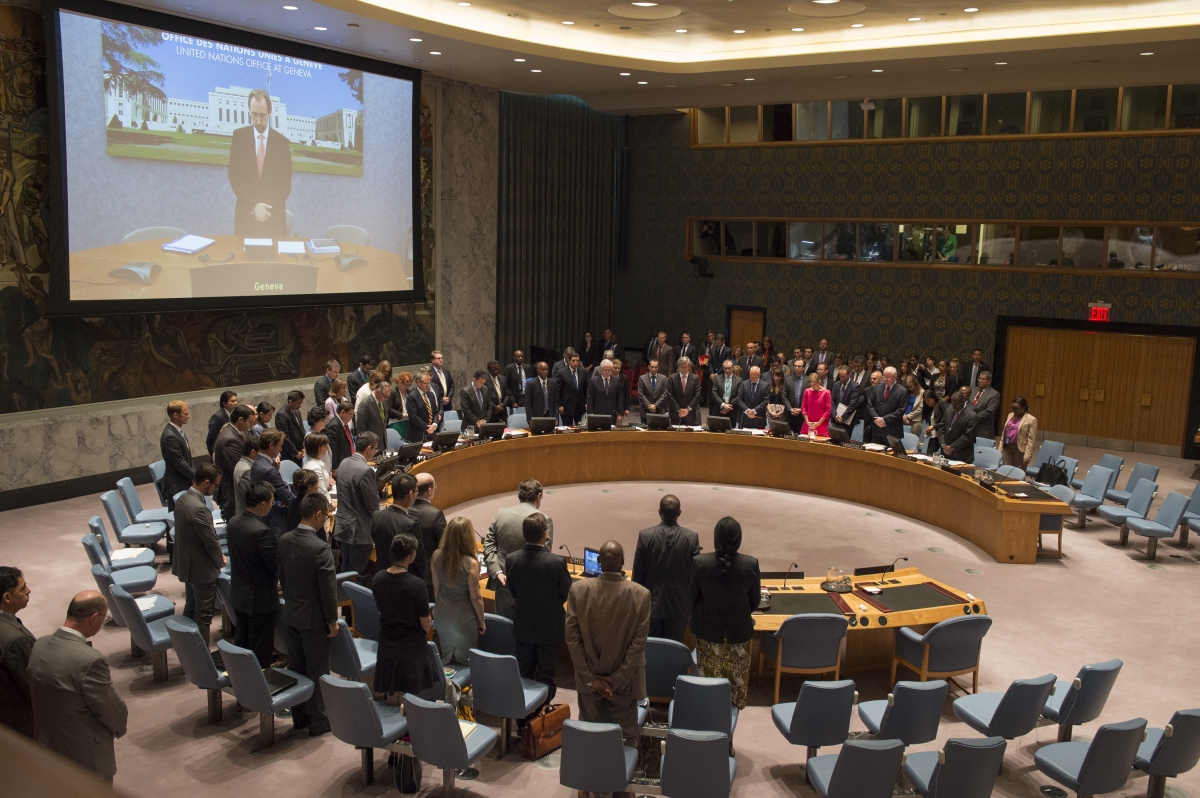
In the UN Security Council meeting on 8 July 2015, Lithuania condemned the genocide in Srebrenica in July 1995 and voted in favour of the resolution aimed to mark the 20th anniversary of the genocide. “We condemn genocide and all the war crimes and crimes against humanity committed during the conflict in Bosnia”, said Nida Jakubonė, Deputy Permanent Representative of the Permanent Mission of the Republic of Lithuania to the United Nations, at the meeting and expressed condolences to relatives of all victims of the conflict and survivors of the events in Srebrenica and its surroundings. “We remember all these atrocities so that they would never happen again, that the principles of humanity would not be ever abandoned again. Crimes committed in Srebrenica cannot be denied”, the Lithuanian representative said.
Due to Russia‘s veto the UN Security Council resolution condemning genocide, violations of human rights and international humanitarian law as well as crime of genocide in Srebrenica and other crimes against humanity during the conflict Bosnia and Herzegovina, was not adopted. 10 UN Security Council members voted in favour of the resolution, while China, Nigeria, Angola and Venezuela abstained.
Lithuania along with other UN Security Council members which supported the resolution expressed their regret that efforts of the international community to assess the crimes of the past and to prevent them in the future were not supported by the permanent members of the UN Security Council.
Lithuania urged permanent members of the UN Security Council to restraint in the use of veto in Mass Atrocity Situations. The Lithuanian representative has also emphasised the significance of the International Court of Justice and the International Criminal Tribunal for the former Yugoslavia in ensuring justice. Ms Jakubonė drew attention to the fact that a part of people who went missing during the conflict still remained unidentified and victims of sexual violence were still waiting for justice.
According to the Lithuanian representative, commemoration of the genocide in Srebrenica is not only an opportunity to learn the lessons of the past but also a chance to look at the future. Political elite should overcome their differences. Bosnia and Herzegovina is making steps towards its European integration with a strong continuous support of these efforts by the EU.
In 2014, marking the 20th anniversary of the genocide in Rwanda, the UN Security Council adopted the resolution condemning genocide in Rwanda and calling for recommitment to fight against genocide.
