


The role of female parliamentarians in implementing Women, Peace and Security agenda discussed at the UN
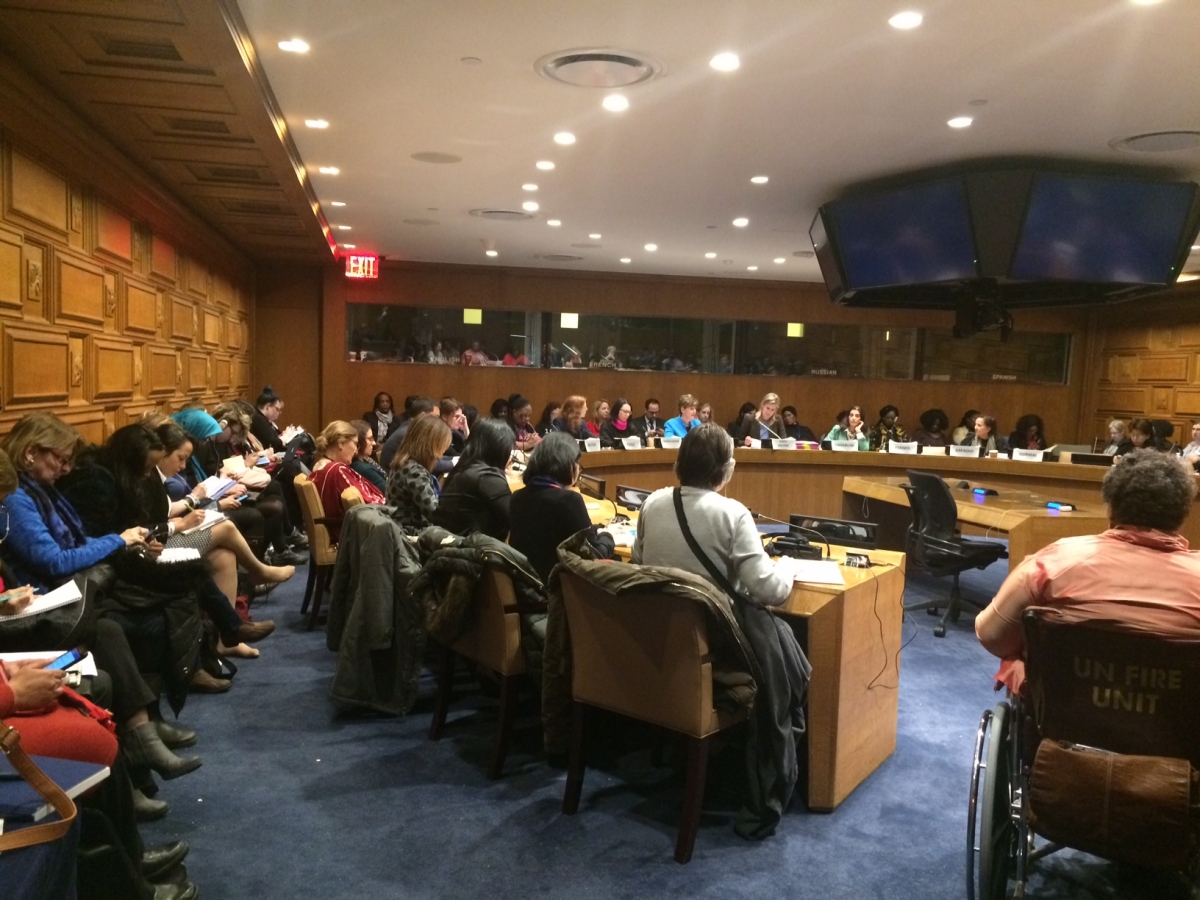
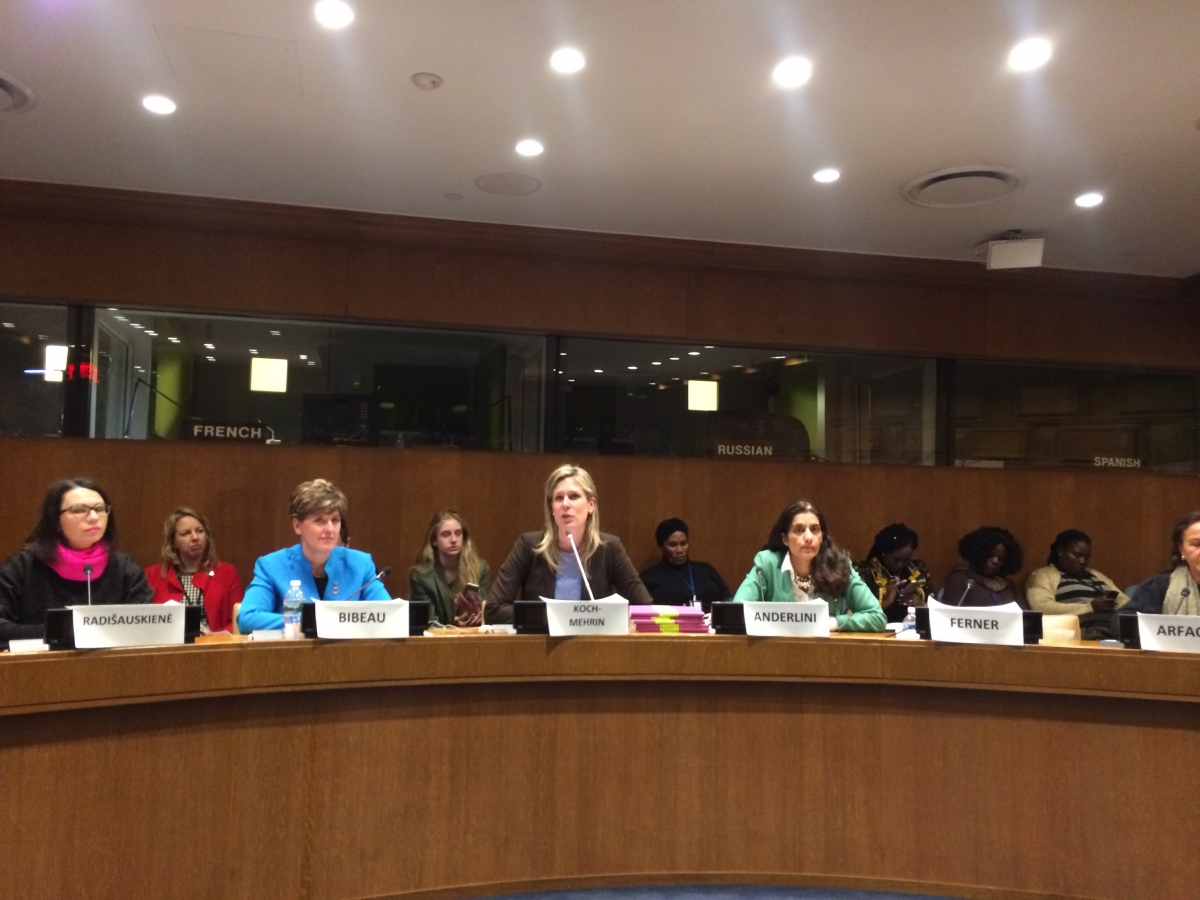
As part of the 61st Session of the Commission on the Status of Women, on 15th March the United Nations Development Programme (UNDP), Women in Parliament (WIP), the International Civil Society Action Network for Women’s Rights, Peace and Security (ICAN) and the Permanent Missions of Canada, Germany and Lithuania hosted the event “The Role of Female Parliamentarians in implementing the Women, Peace and Security Agenda”. The goal of the event was to highlight the powerful role female parliamentarians can play in effectively promoting the Women, Peace and Security (WPS) agenda. Parliaments have a unique position to do so given their overarching function as the people’s representatives, and their core functions of law-making, representation and oversight, including budget guardianship to manage (the risk of) social crises, prevent violent conflict and shape conditions for sustaining peace. They have the power to pass inclusive laws that support gender equality and human rights and ensure gender-sensitive reforms are properly financed.
Silvana Koch-Mehrin, Founder of the Women in Parliaments Global Forum, opened the event noting that the session further served to create a more permanent political platform for women leaders to participate in making the WPS agenda a priority in legislation and subsequently announced the launch of a permanent council on the role of women parliamentarians in peace and security together with UNDP.
Sarah Poole, Deputy Director of UNDP’s Bureau for Policy and Programme Support, outlined BPPS’ role in supporting parliaments across the world. She explained that UNDP is using any opportunity since Jan 2016 to strengthen the role of parliaments in implementation of the WPS agenda and UNDP partnership with the WIP council would be complementary to UNDP’s partnership with the Women’s Alliance for Security Leadership (WASL) to create a platform where MPs and women’s peacebuilder will have a common grand for systematic collaboration to promote peace and pluralism.
Marie-Claude Bibeau, Minister of International Development and La Francophonie of Canada gave her introductory remarks emphasising the importance of including women at every stage of the decision-making process to secure lasting peace. The panelists - Eglė Radišauskienė, Vice minister of Social Security and Labour of the Republic of Lithuania; Florence Mutua, Member of Parliament from Kenya; Zita Gurmai, Gender Advisor to the EU Commissioner for International Cooperation and Development, Neven Mimica; Khadija Arfaoui, Freelance feminist researcher and activist (Tunisia), and Sanam Naraghi-Anderlini, Co-Founder & Executive Director, ICAN – confirmed parliaments’ unique position in promoting gender equality and women’s empowerment. Florence Mutua stated that there was a need for parliaments to come up with laws that enable political action against violent extremism and violence. Zita Gurmai noted that whilst the WPS framework exists, it remains difficult to ensure gender mainstreaming when women are not involved in security and defense processes.
Sanam Naraghi-Anderlini highlighted the potentially transformative power of parliaments in implementing the WPS agenda by citing the South African example when MPs initiated consultations to determine the nation’s security concerns and priorities as a source for developing national security policies and budgets. She also noted the critical role of parliamentarians in ensuring civil society participation in peace processes, and the need for partnership between women’s movements and women political leaders.
Elke Ferner, Parliamentary State Secretary at the Federal Ministry for Family Affairs, Senior Citizens, Women and Youth, Germany, argued during her closing remarks that without modifying voting rights, no parity of women in politics will be achieved, which would subsequently jeopardise their effective involvement in pushing the WPS agenda. The panelists’ contributions were strong and passionate and the audience highly engaged, with the interest by far outnumbering the capacity of the room. As such, this was a remarkably successful event that served to further promote UNDP’s Peacebuilding Through Parliament initiative that aims to ensure parliaments promote gender equality in their legislative functions of law-making, oversight and representation to advance peacebuilding and recovery responses, and oversee the implementation of the WPS agenda.
